To begin with, language is one of the fundamental elements of culture and sometimes it can become a barrier to effective communication. Hence, we need to take into consideration this crucial element in order to avoid translation errors. An ad campaign, a product or a brand image either locally or globally can be devastated because of the translation errors. Moreover, if you have the ability to speak the language well, does not eliminate the need for translators. It is worth mentioning that no method is foolproof for avoiding translation errors but a double translation is the safest way. Specifically, use two translations, first by bilingual native and second, by a bilingual foreigner in order to compare and have the proper result.
Below there are some examples of translation errors:
In Bangkok dry cleaner’s boast
“Men, Drop your trousers here for best results”

In a Japanese hotel

In a Japanese hotel
“You are invited to take advantage of the chambermaid”

In a Copenhagen airline ticket office

In a Copenhagen airline ticket office
“We take your bags and send them in all directions”


American deodorant manufacturer’s international theme “If you use our deodorant, you won’t be embarrassed in public.”

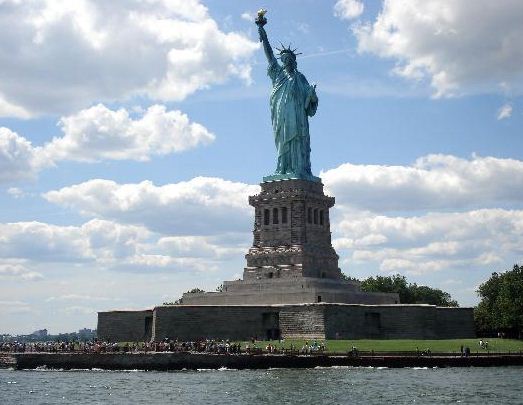
Sent Spanish translation in Mexico
- Translator used word embarazada, in Mexican (Spanish=pregnant)
The name Coca-Cola in China was first rendered as
Ke-ke-ken-la.
Thousands of signs later found out that the phrase means "bite the wax tadpole" or "female horse stuffed with wax" depending on the dialect. Coke then researched 40,000 Chinese characters and found a close phonetic equivalent, "ko-kou-ko-le," which can be loosely translated as "happiness in the mouth."


Picture References In Order For Listing:
Pic1-Bangkok
Pic2-Japanese
Pic3-Copenhagen
Pic5-America
Pic4-Coca-Cola Logo
Pic4-Coca-Cola In China
Picture References In Order For Listing:
Pic1-Bangkok
Pic2-Japanese
Pic3-Copenhagen
Pic5-America
Pic4-Coca-Cola Logo
Pic4-Coca-Cola In China

